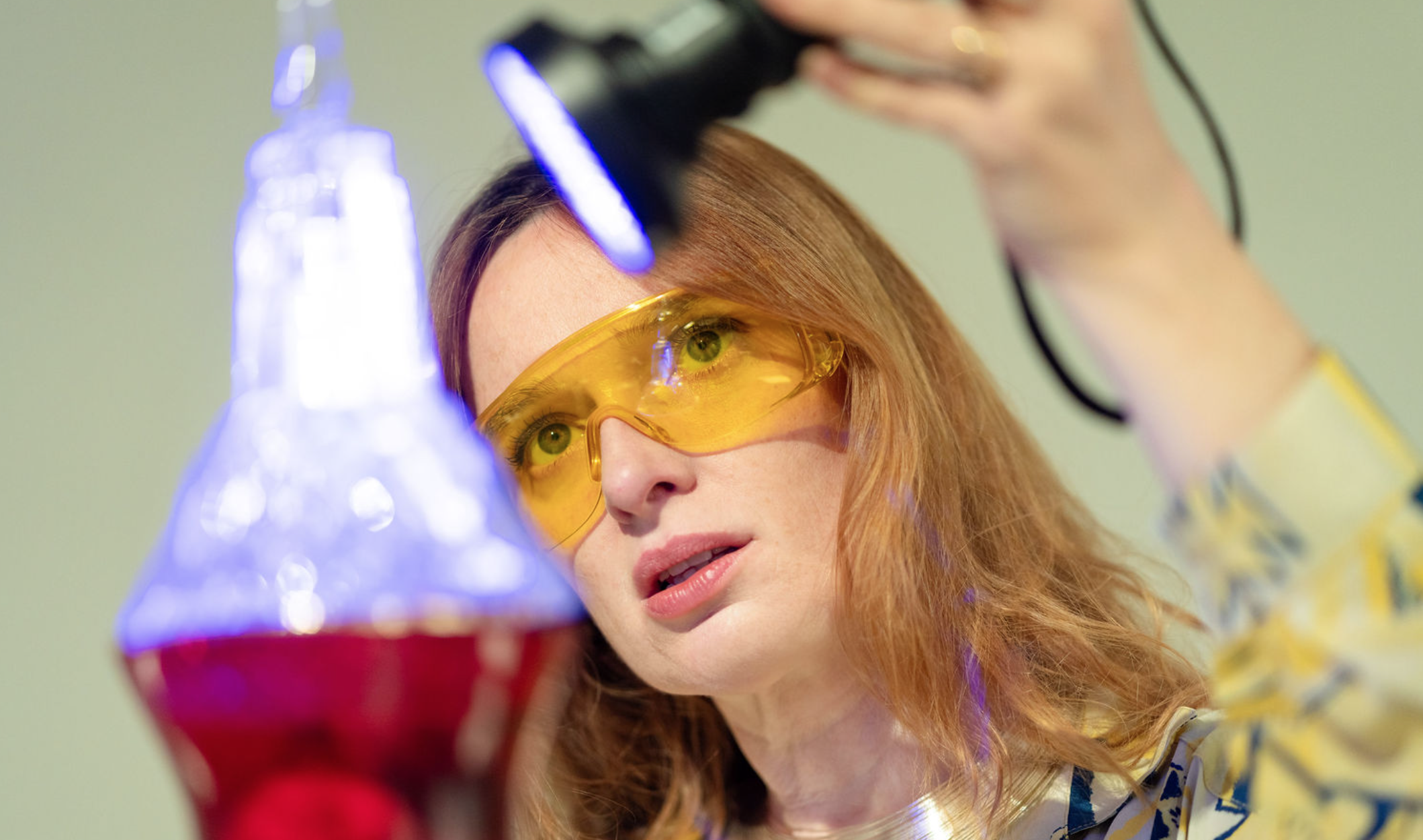
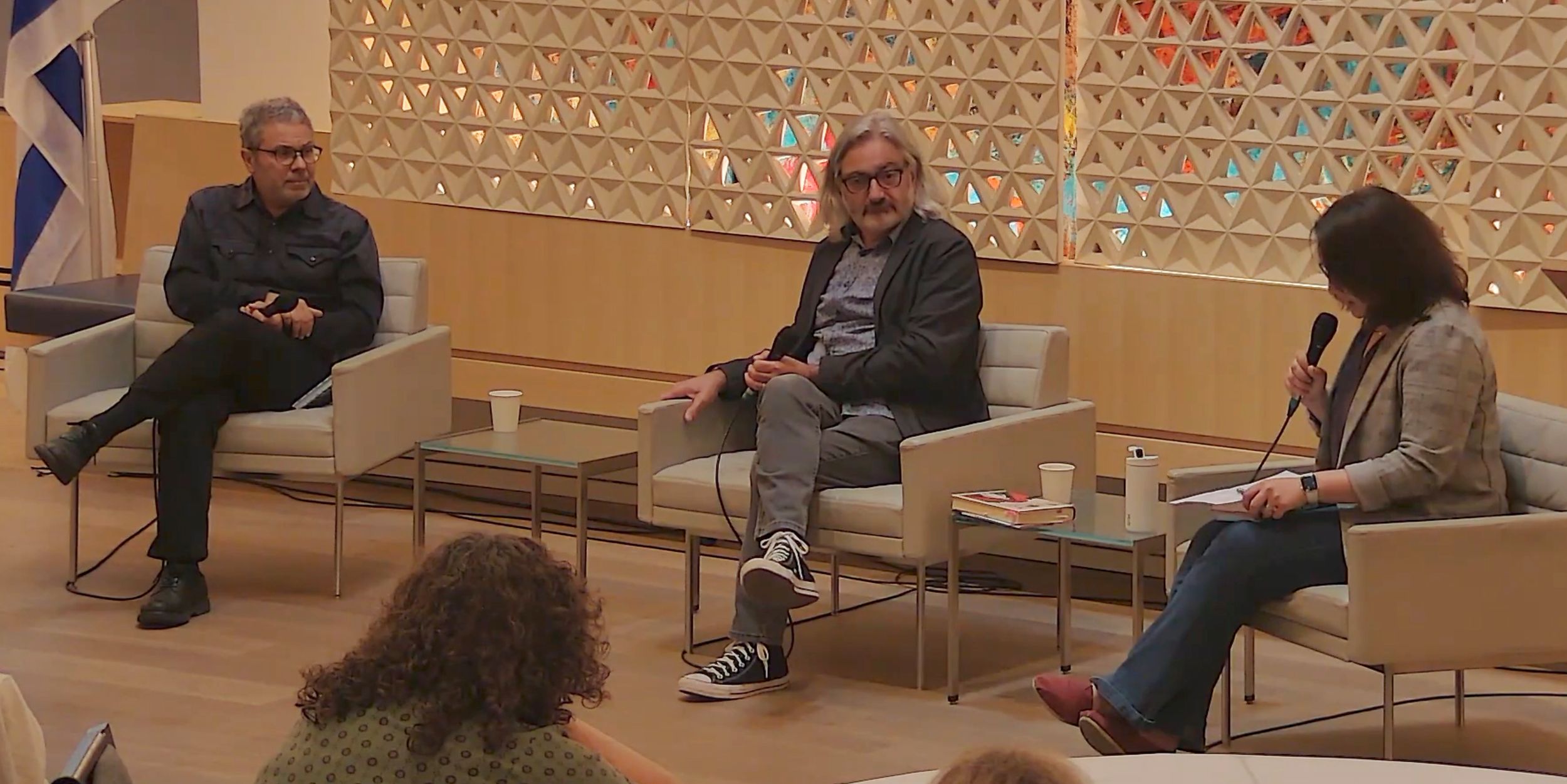
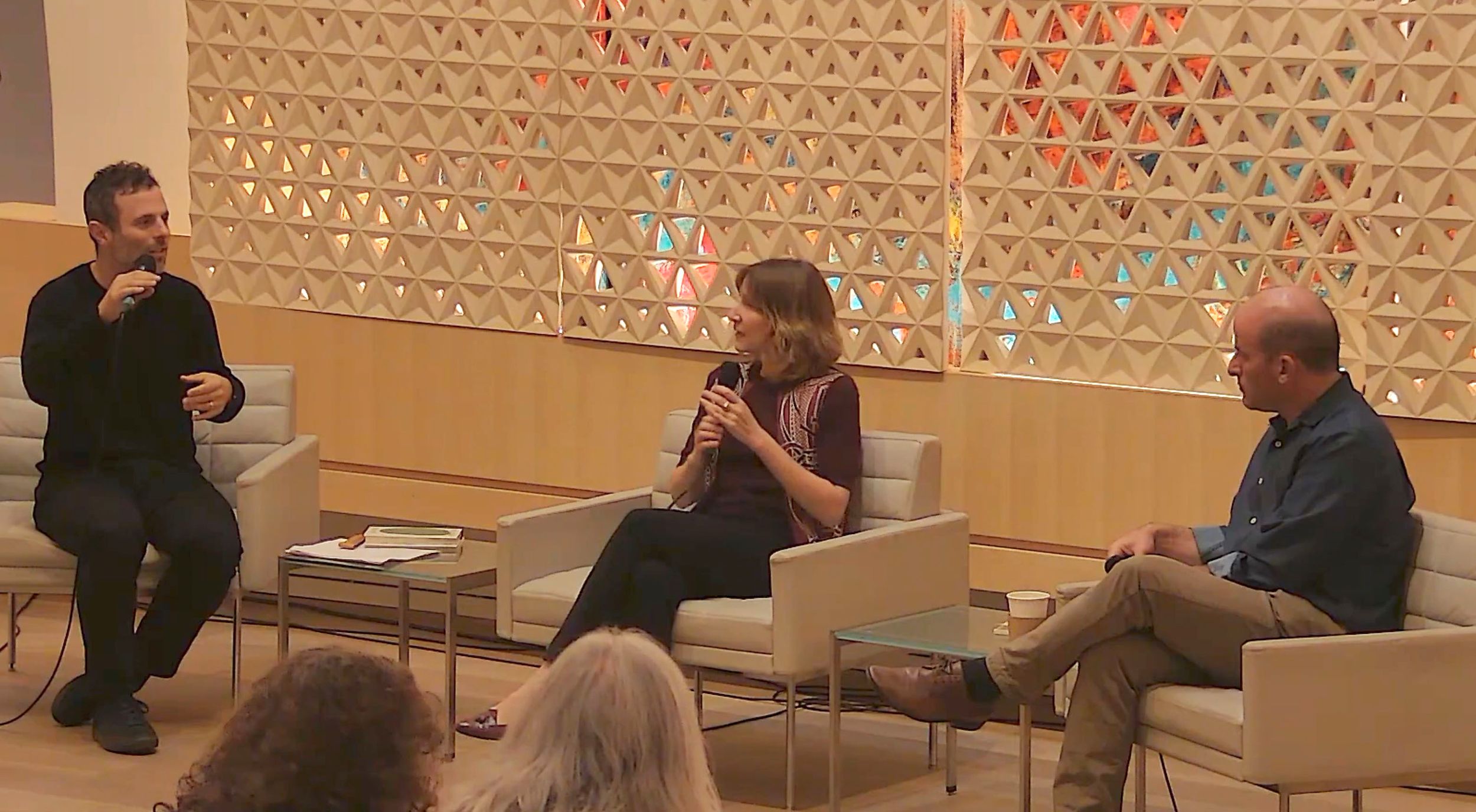
Polish artist and architect Natalia Romik speaks with Arcade about her exhibition Plague Crystals, now at Koffler Arts, and why fragile, translucent towers of crystal might hold what haunts us better than any stone monument.
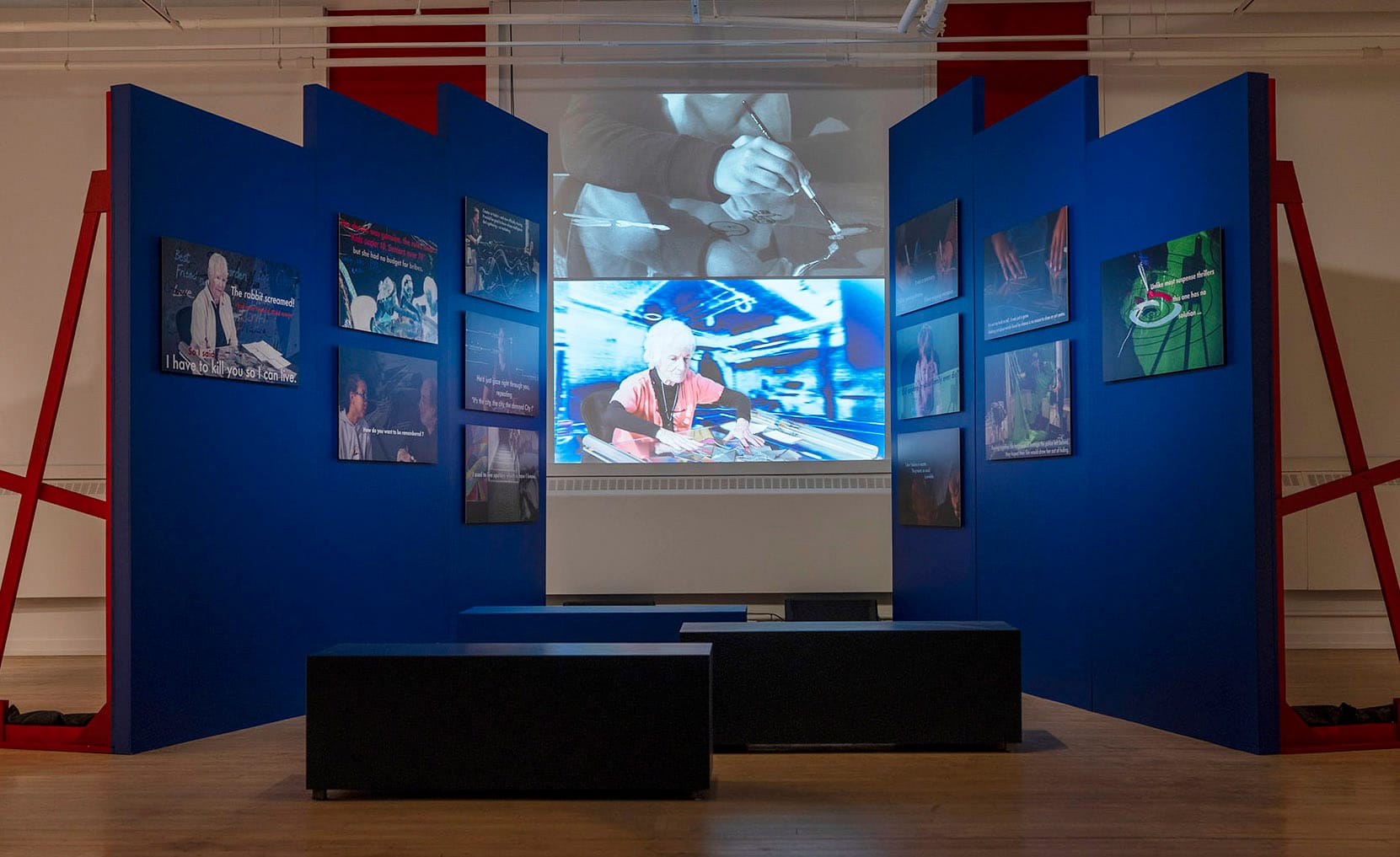
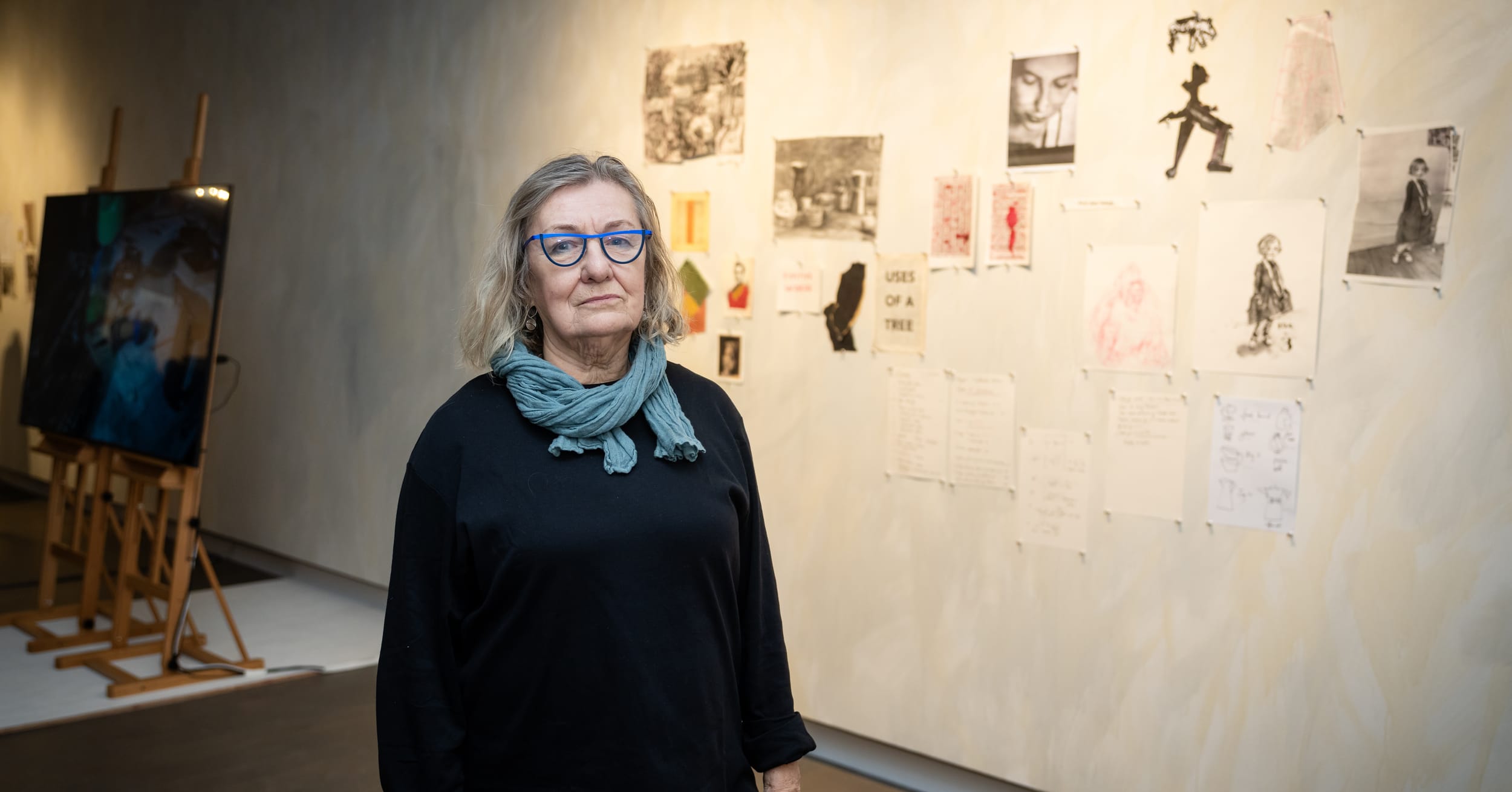
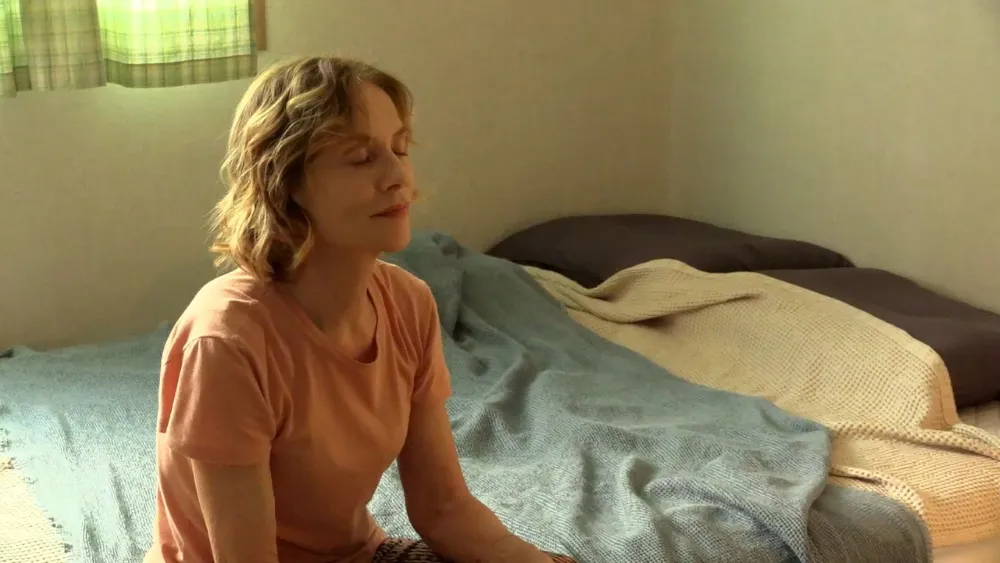
The pioneering Toronto multidisciplinary artist speaks with filmmaker Egoyan about the thinking and creative process behind her latest work, As If by Chance..., and the two types of prejudice faced by elder artists.
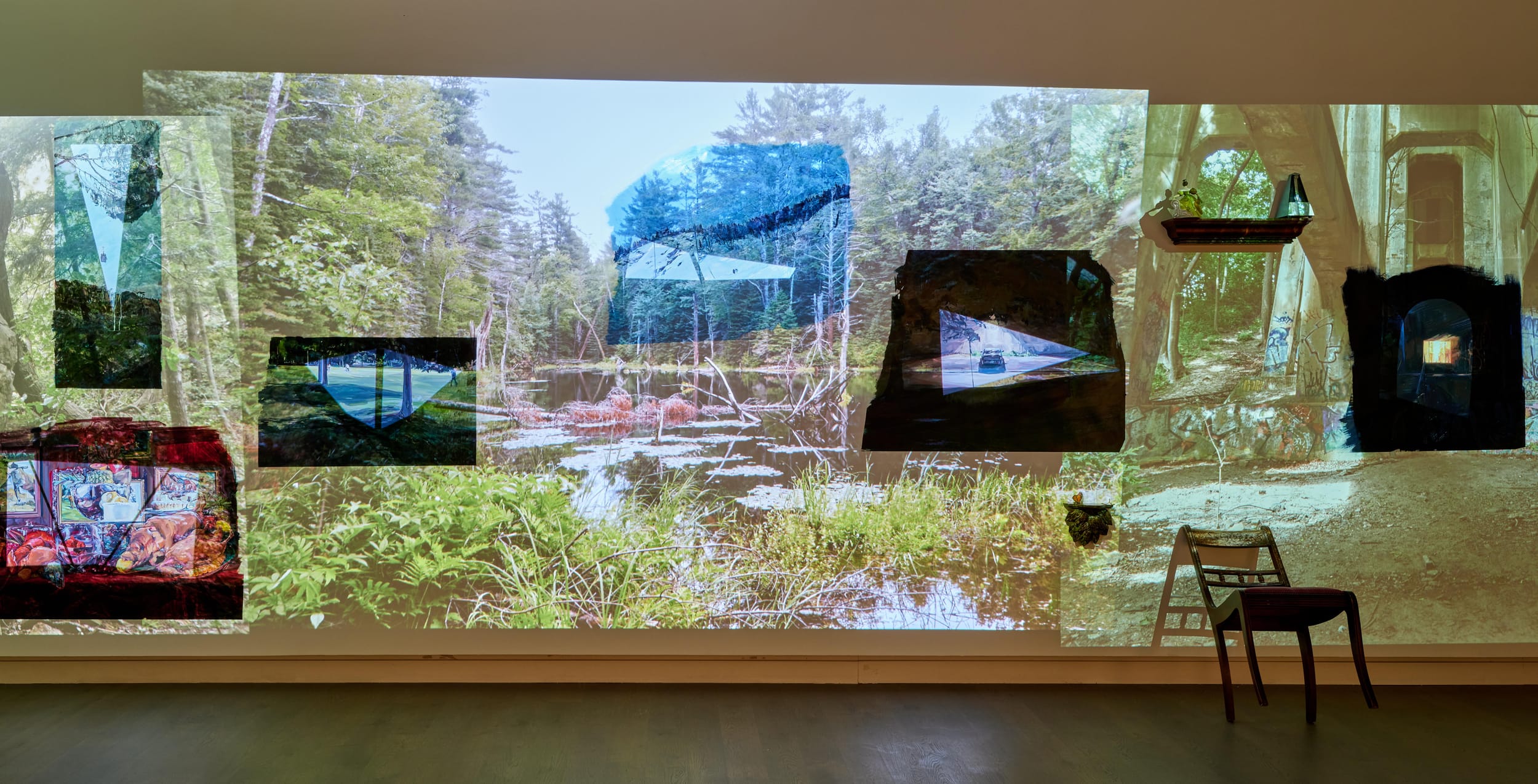
A panel discussion on the uses and abuses of how urban dwellers think about their relationships with nature, patterns of gentrification in Toronto, and how people have been inhabiting spaces like the Don Valley much longer than people assume.
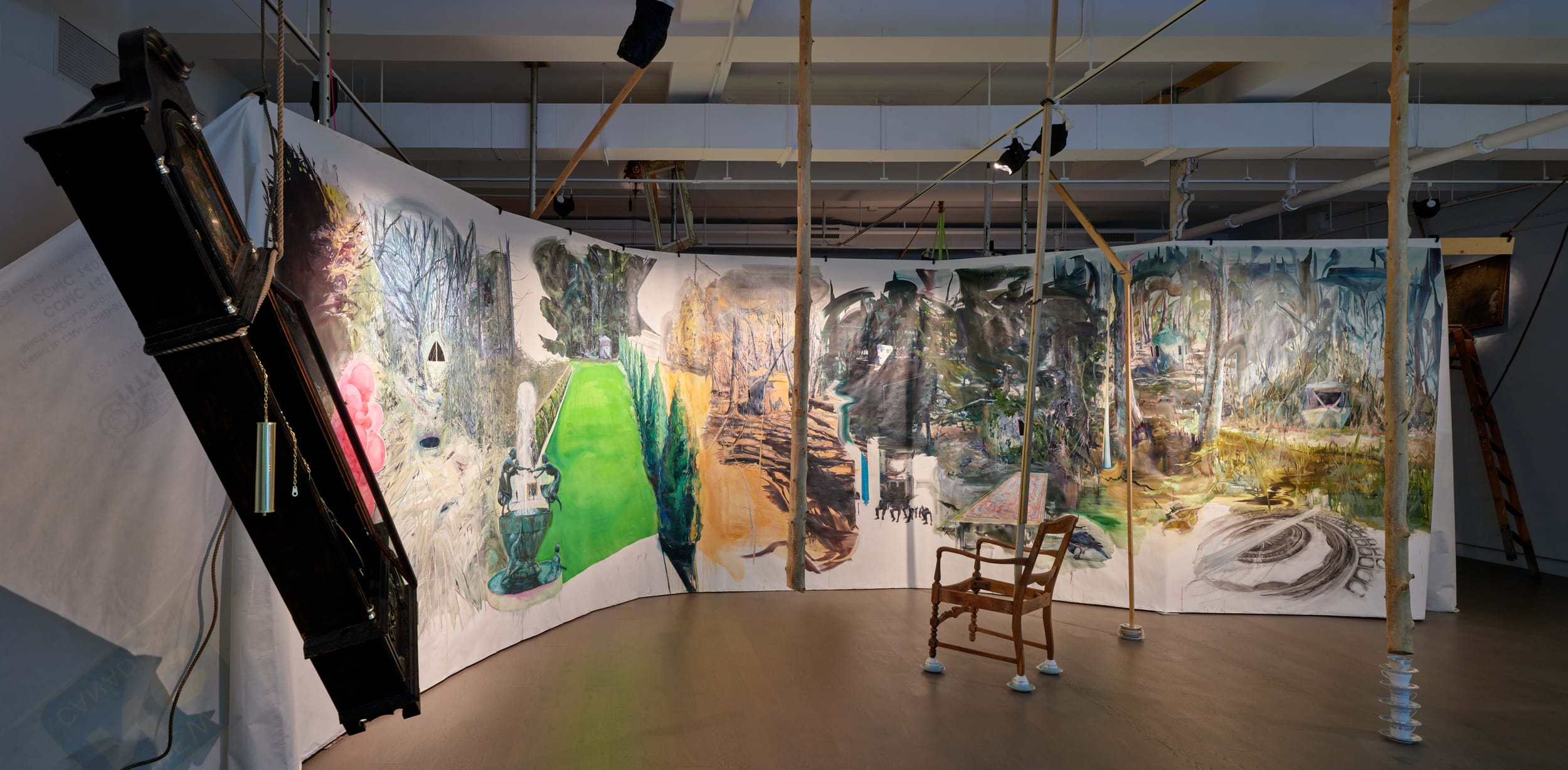
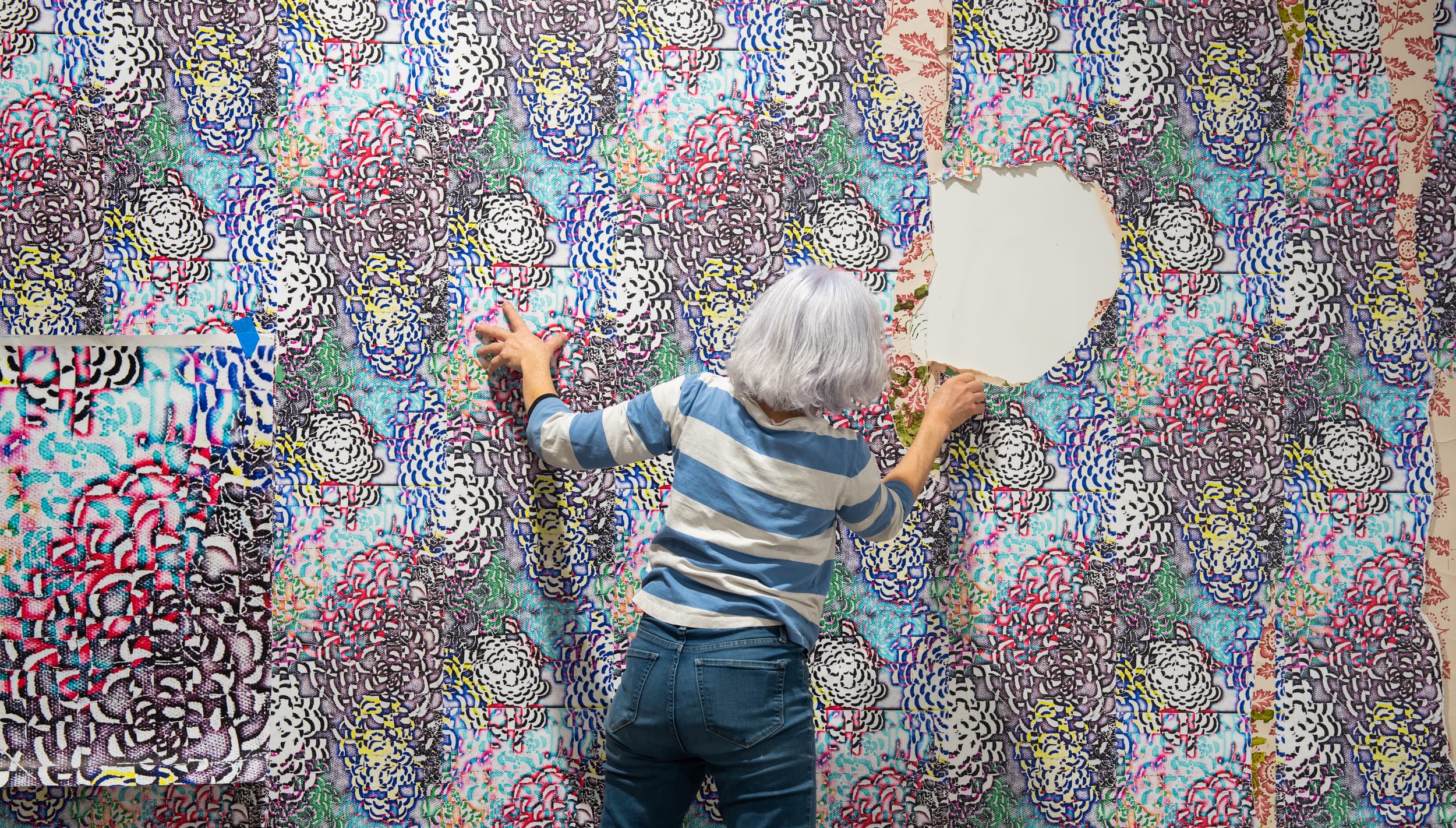
With her new exhibition, Glorious Catastrophe, Toronto artist Gillian Iles seeks out the paradoxes and possibilities in moments of extreme transformation.
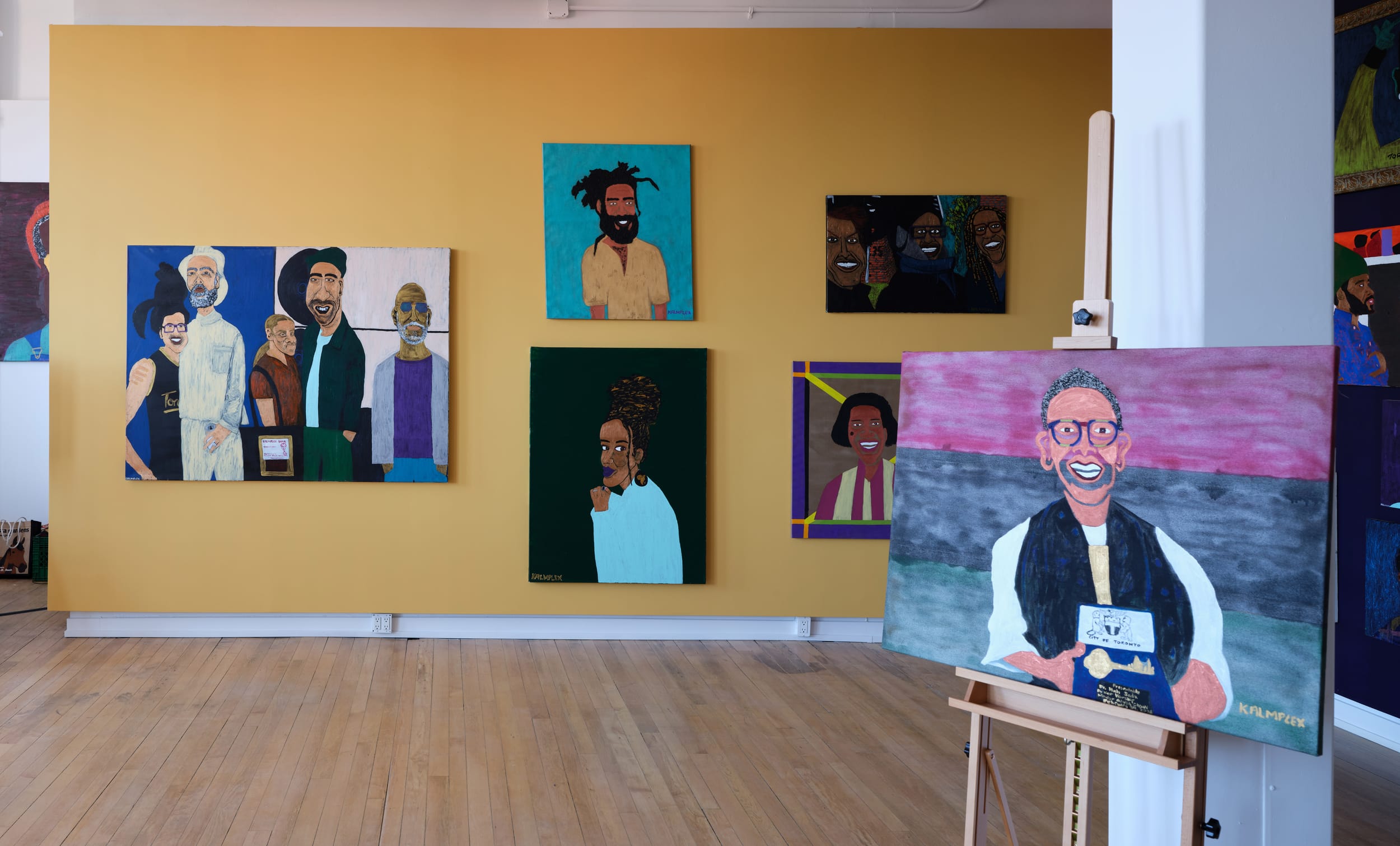
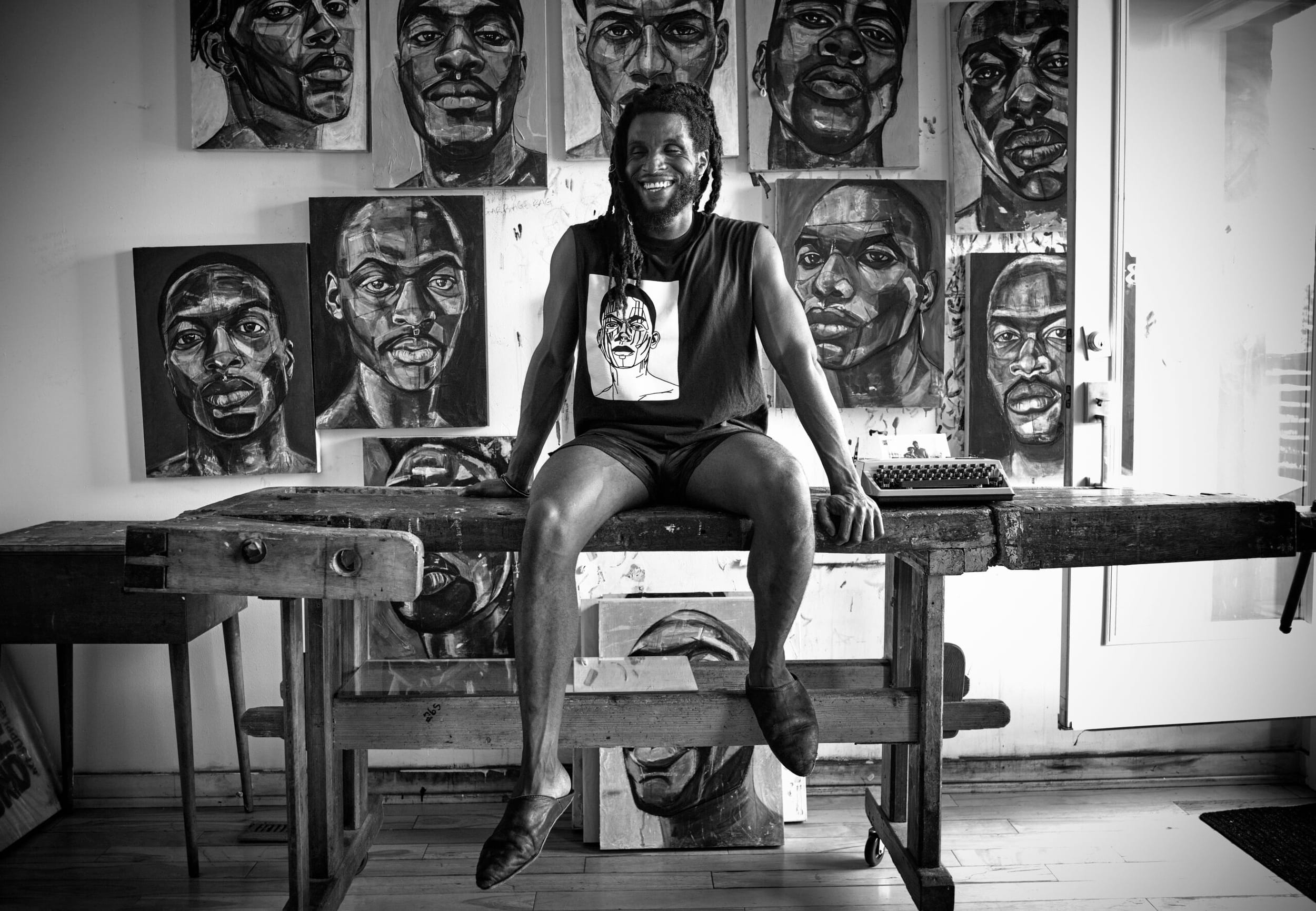
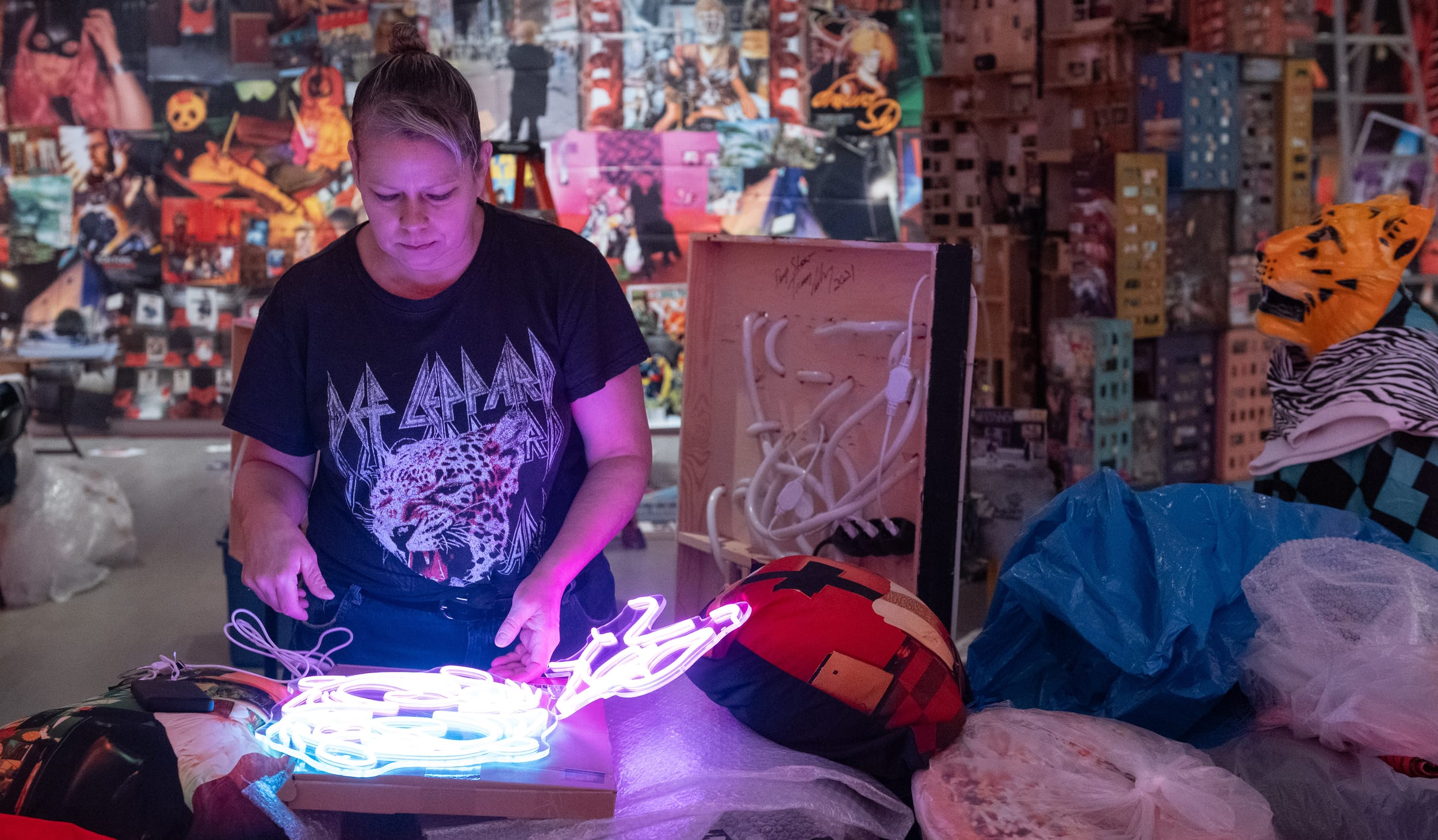
Toronto artist Kalmplex talks with curator David Liss about the inspirations behind his current exhibition at Koffler301 and his worries over the city losing its places of culture and connection.
An estate plan might be among the most important works that an artist leaves behind.
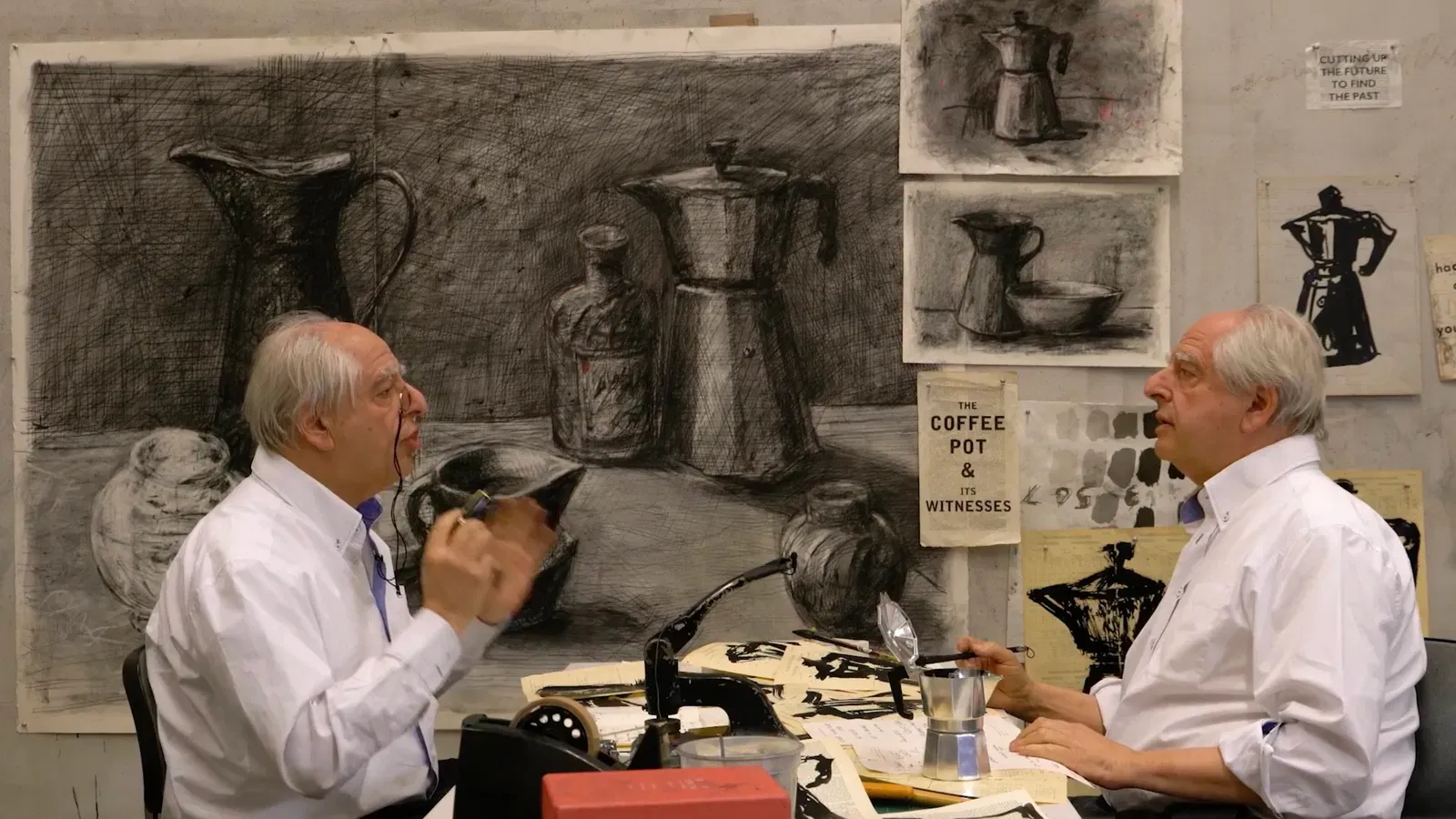
Theatre designer Teresa Przyblski on creating an environment for William Kentridge’s film series Self-Portrait as a Coffee Pot, where immersion begins with restraint.
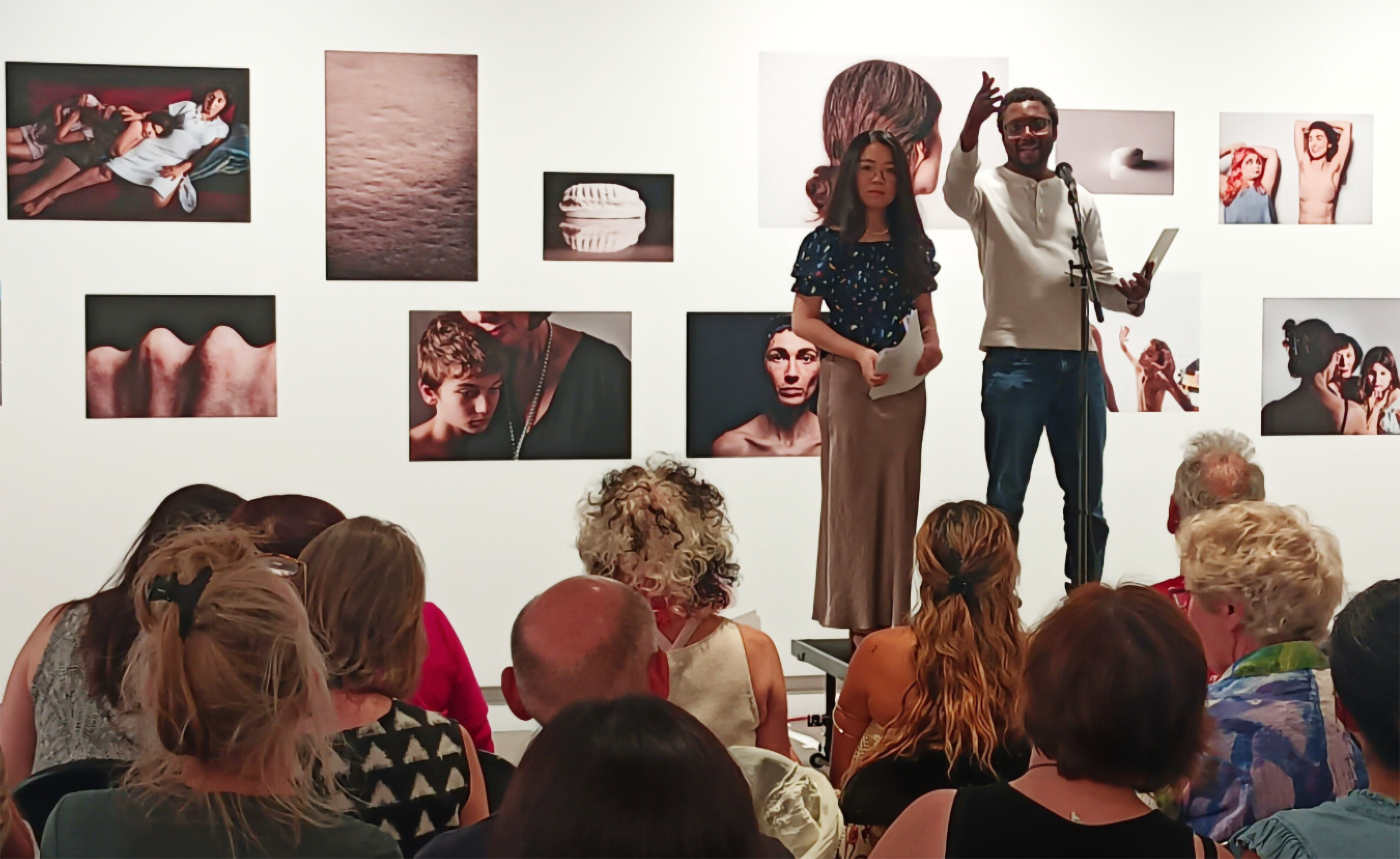
Actor, producer, and director Alon Nashman discusses World Play, an ongoing series of readings performed in multiple languages around a theme, and the pleasures of deep listening.
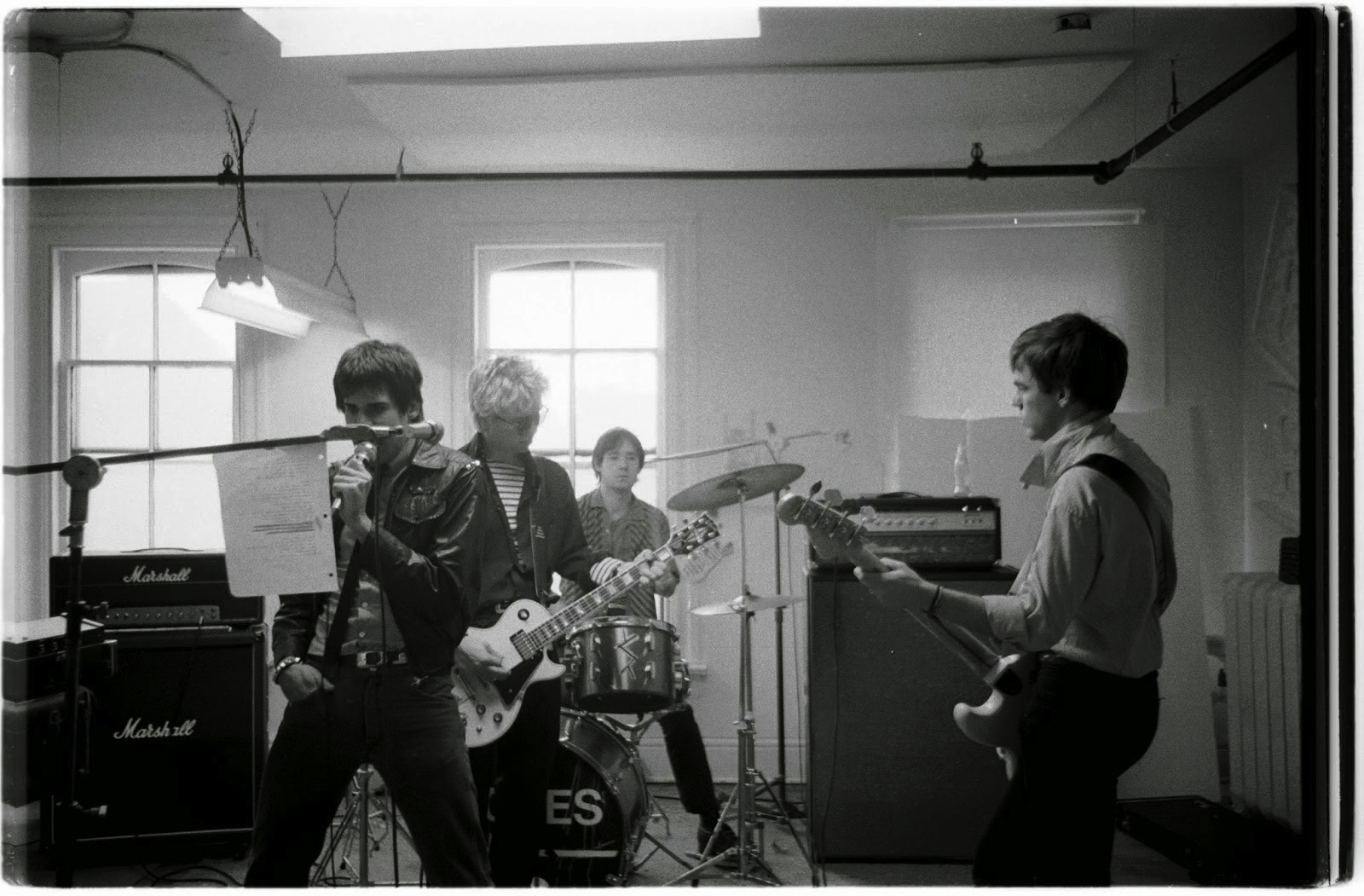
How Toronto’s early punk scene erupted into life, shaped by art school, DIY spaces, and a city steeped in constraint, boredom, and borrowed influence—told by people who were there.
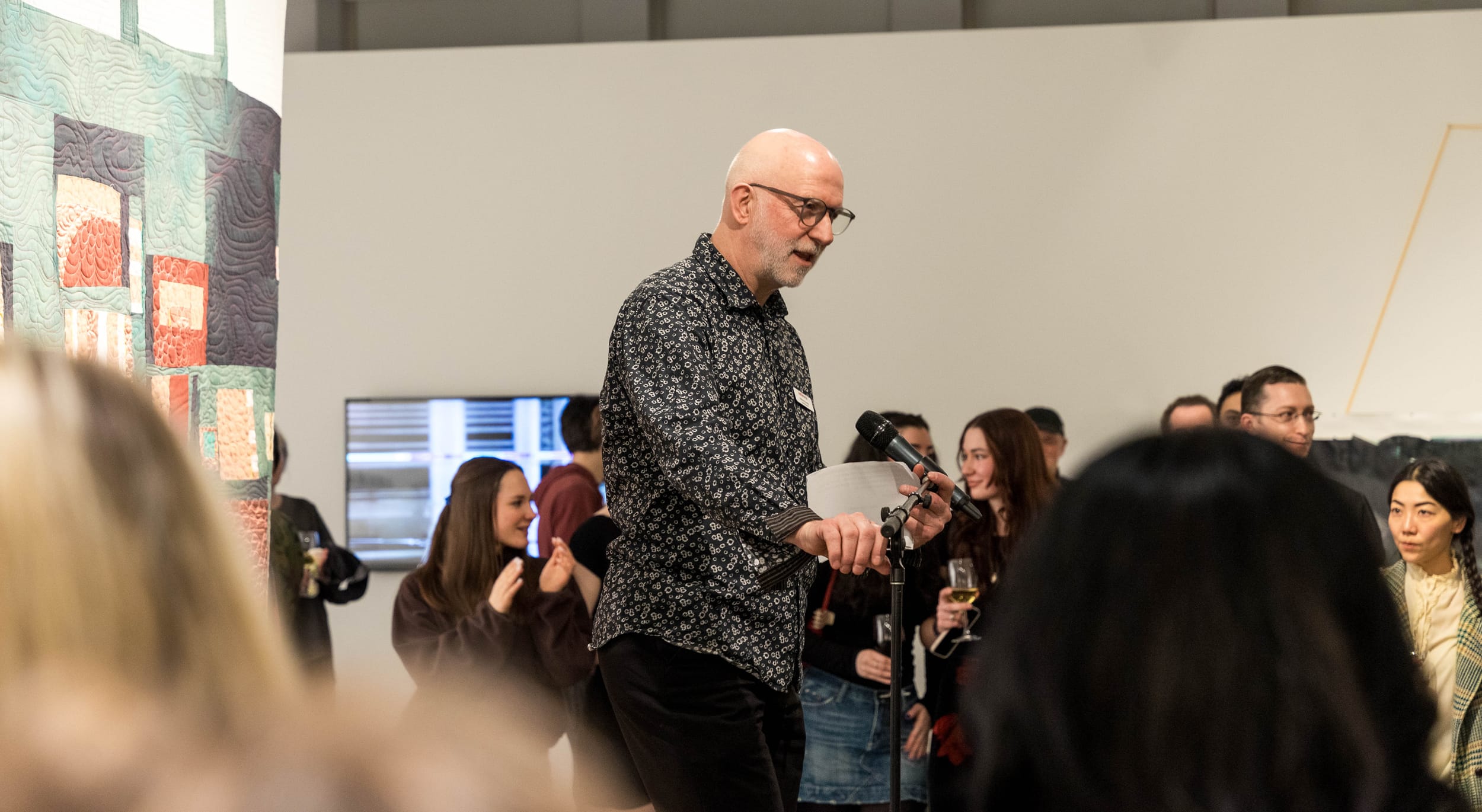
As Koffler Arts closes out 2025, General Director Matthew Jocelyn looks back on a year of exhibitions, experiments, and encounters—and makes the case for why cultural institutions should resist being easily summed up.
Photographer Dimitri Levanoff on his exhibition “BEING THERE: Portraits of the Toronto Art Community” and the draw of the artist as subject.
In conversation with Arcade, writer Shawn Micallef wonders whether Toronto really wants to be a city, and applies the lens of psychogeography to Tracey Snelling’s art.
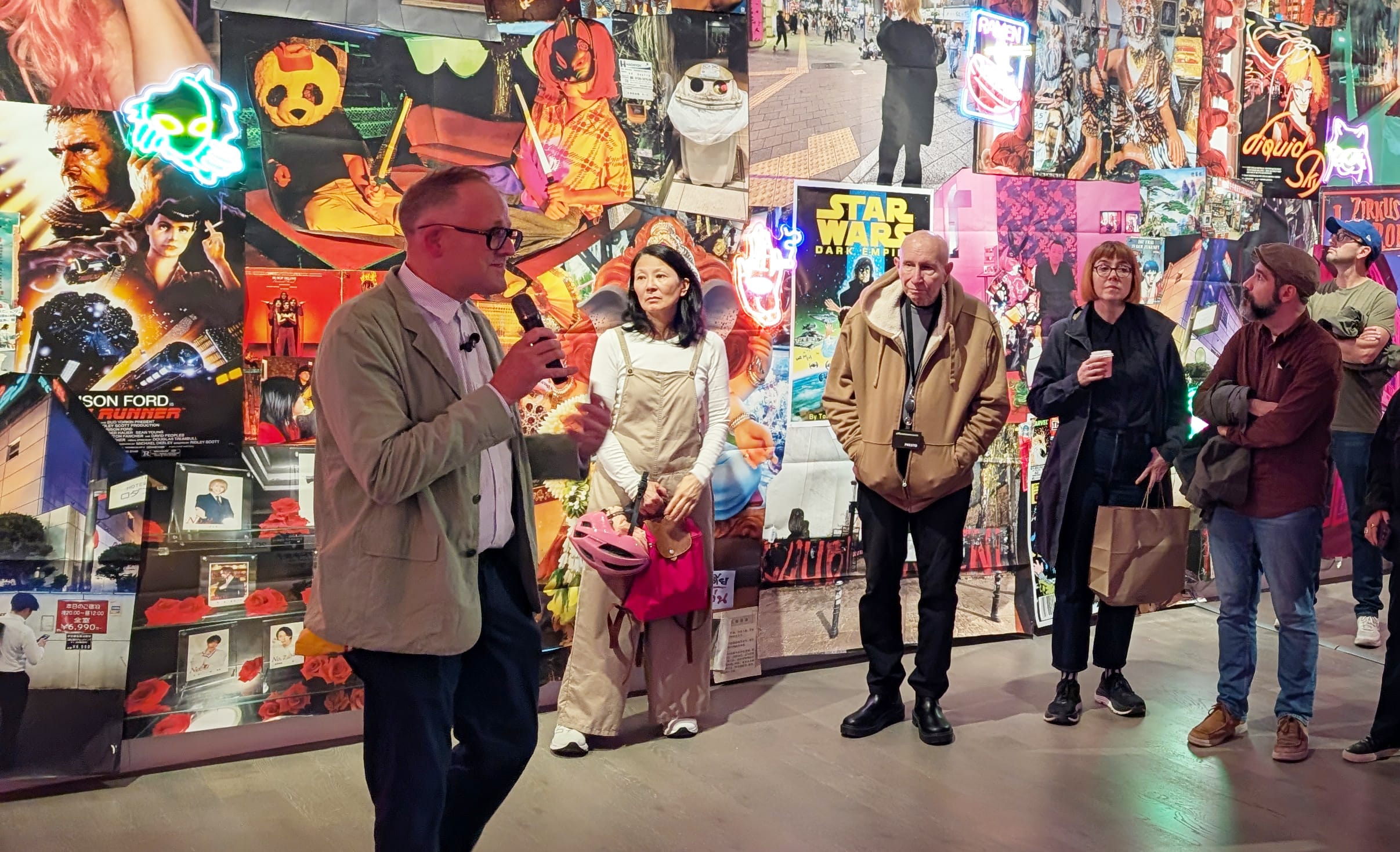
Often blurring the line between documentary and dreamscape, Tracey Snelling’s sculptures, installations, and other works—now showing at Koffler Arts—cast the viewer in the role of voyeur.
In The Audacity of Relevance, Alex Sarian argues that struggling non-profit arts organizations need to adopt a more audience-based model.
In a conversation with Eleanor Wachtel presented by Koffler Arts and the Canadian Opera Company, William Kentridge discusses a career marked by indeterminacy, shadows, and restless energy, where drawing is at the heart of his work.
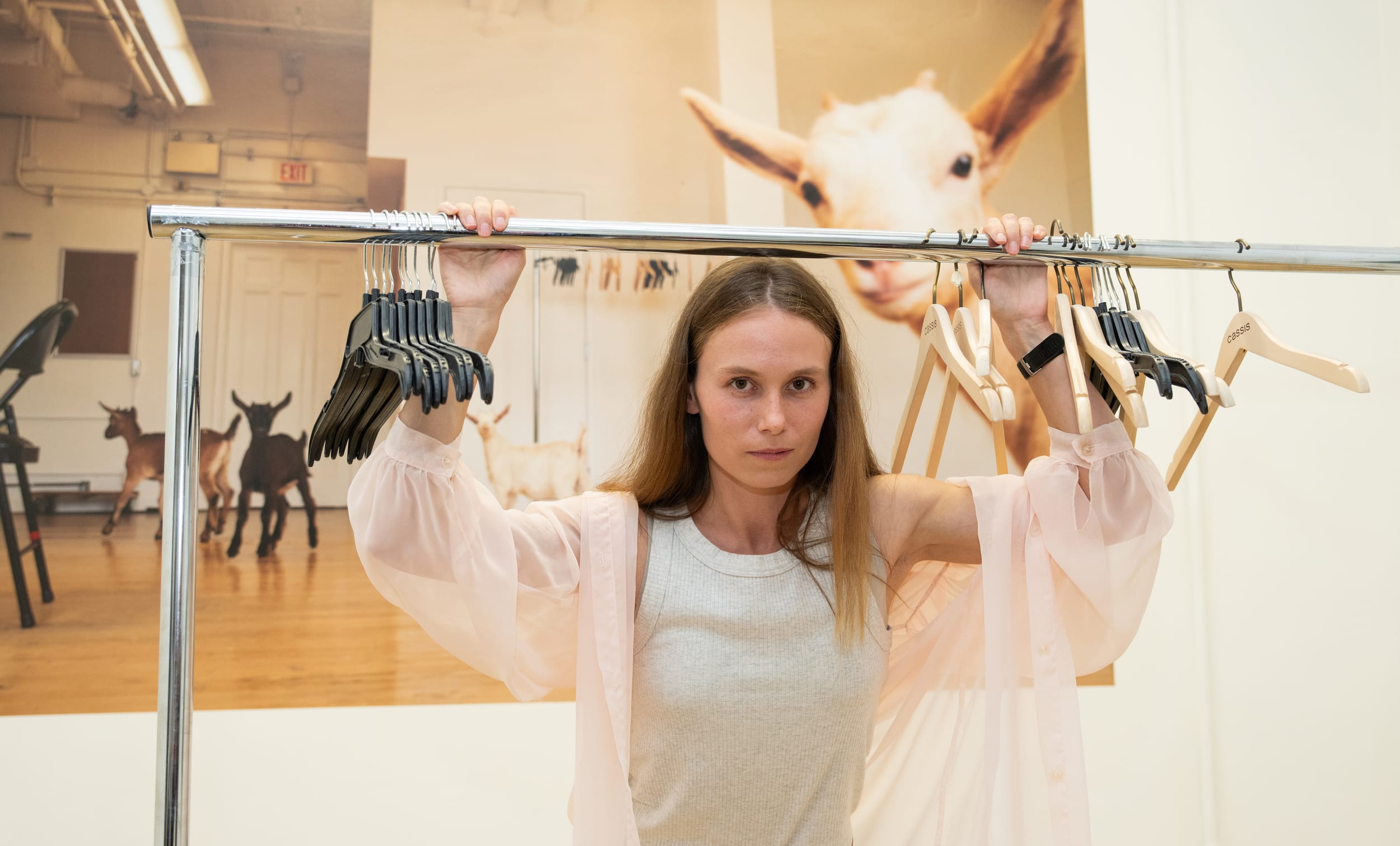
In Koffler301’s inaugural exhibition, Sage Szkabarnicki-Stuart uses goats, pigeons, and plastic bags to strange, slapstick effect, blurring the boundary between the mundane and the magical.
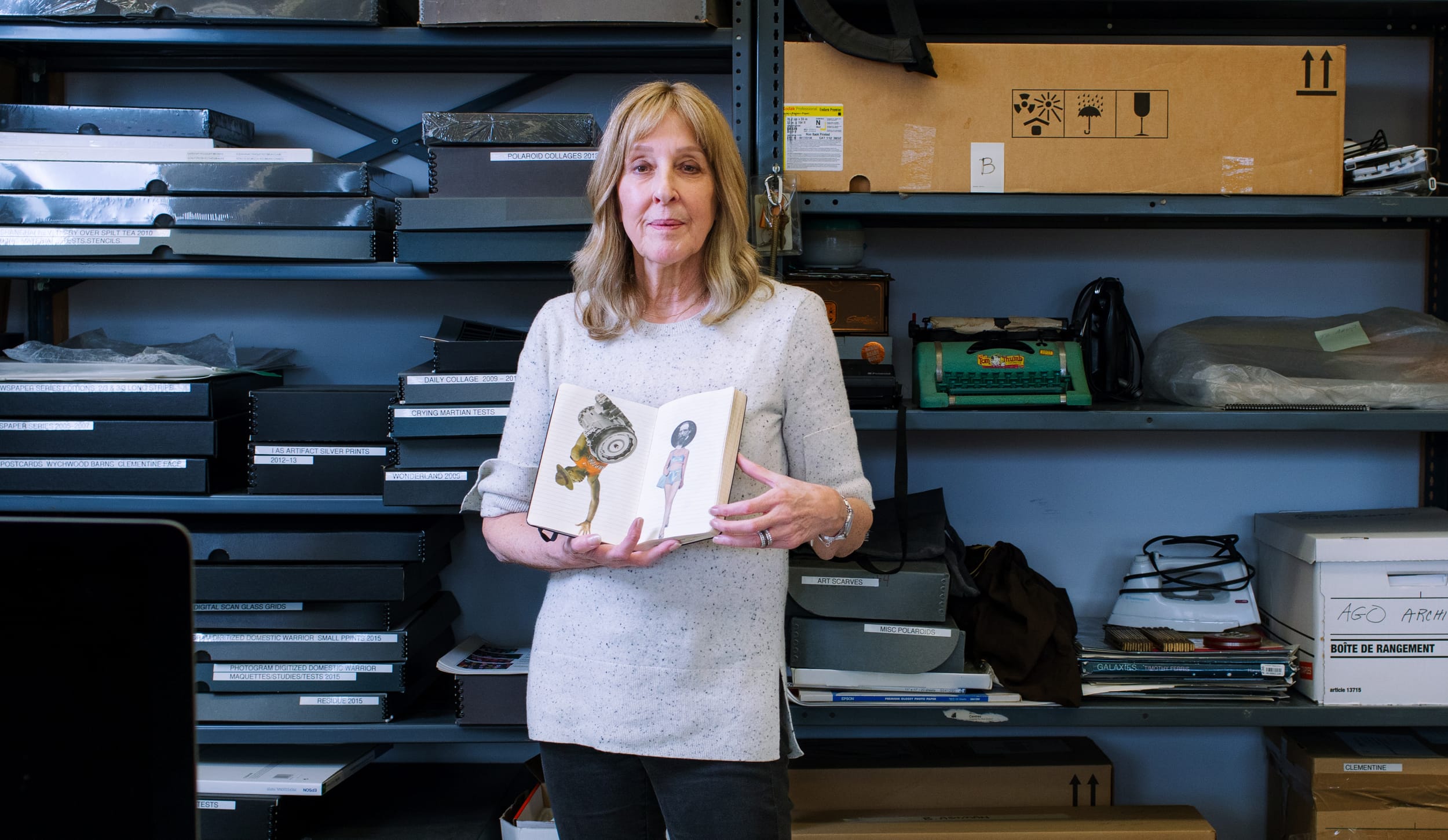
In conjunction with her career retrospective now at Koffler Arts, Elana Herzog speaks with curator and longtime friend Jessica Stockholder about 1970s New York, the misunderstandings of formalism, and the evolution of a practice decades in the making.
As he approaches the first anniversary of his joining Koffler Arts as its new general director, Arcade spoke with Matthew Jocelyn about the tenuous position of Canadian arts organizations, and his vision for Koffler going forward.
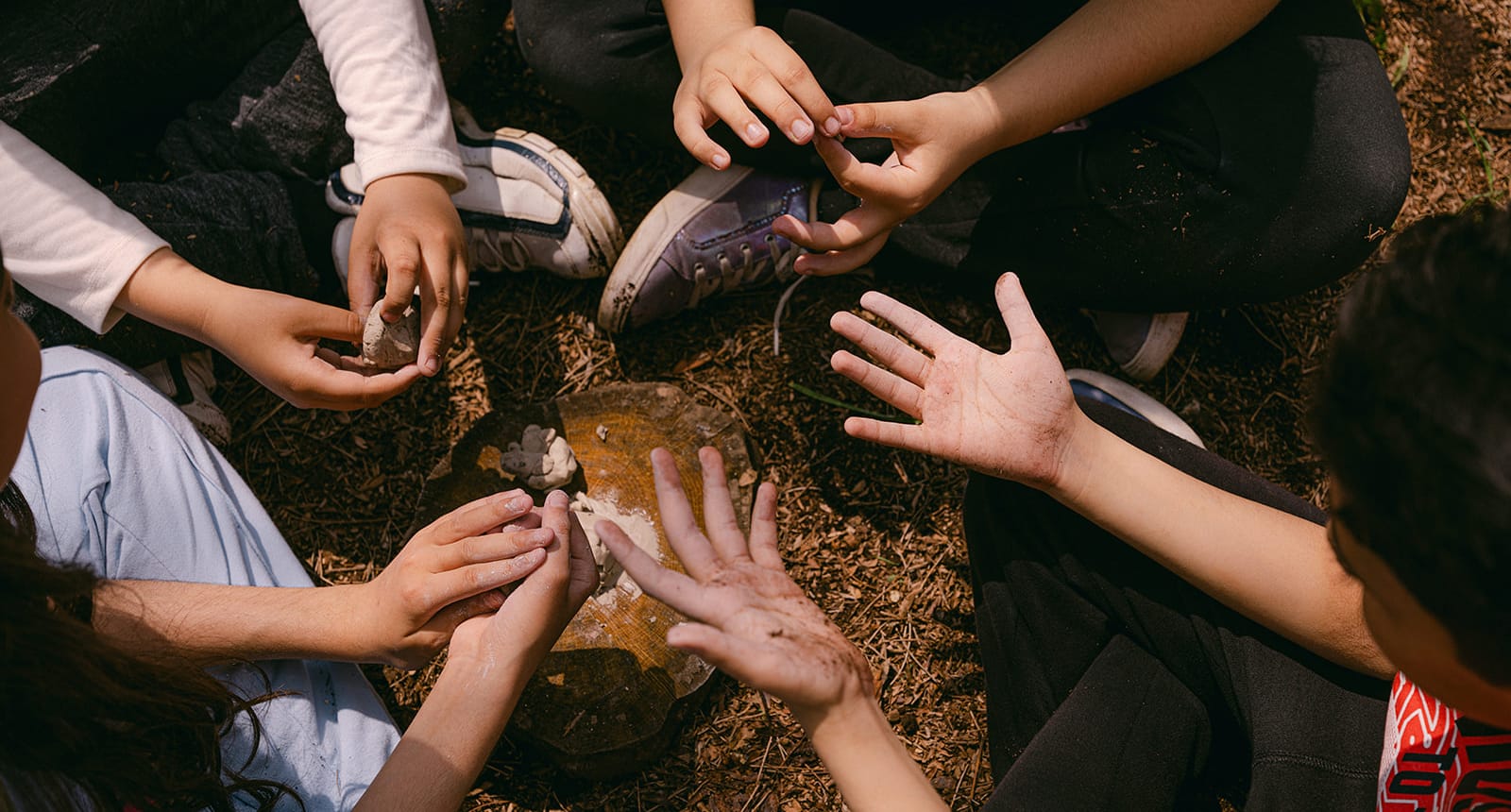
Young Changemakers, a Toronto program supported by Koffler Arts, is helping students learn how to connect with and transform their environment.
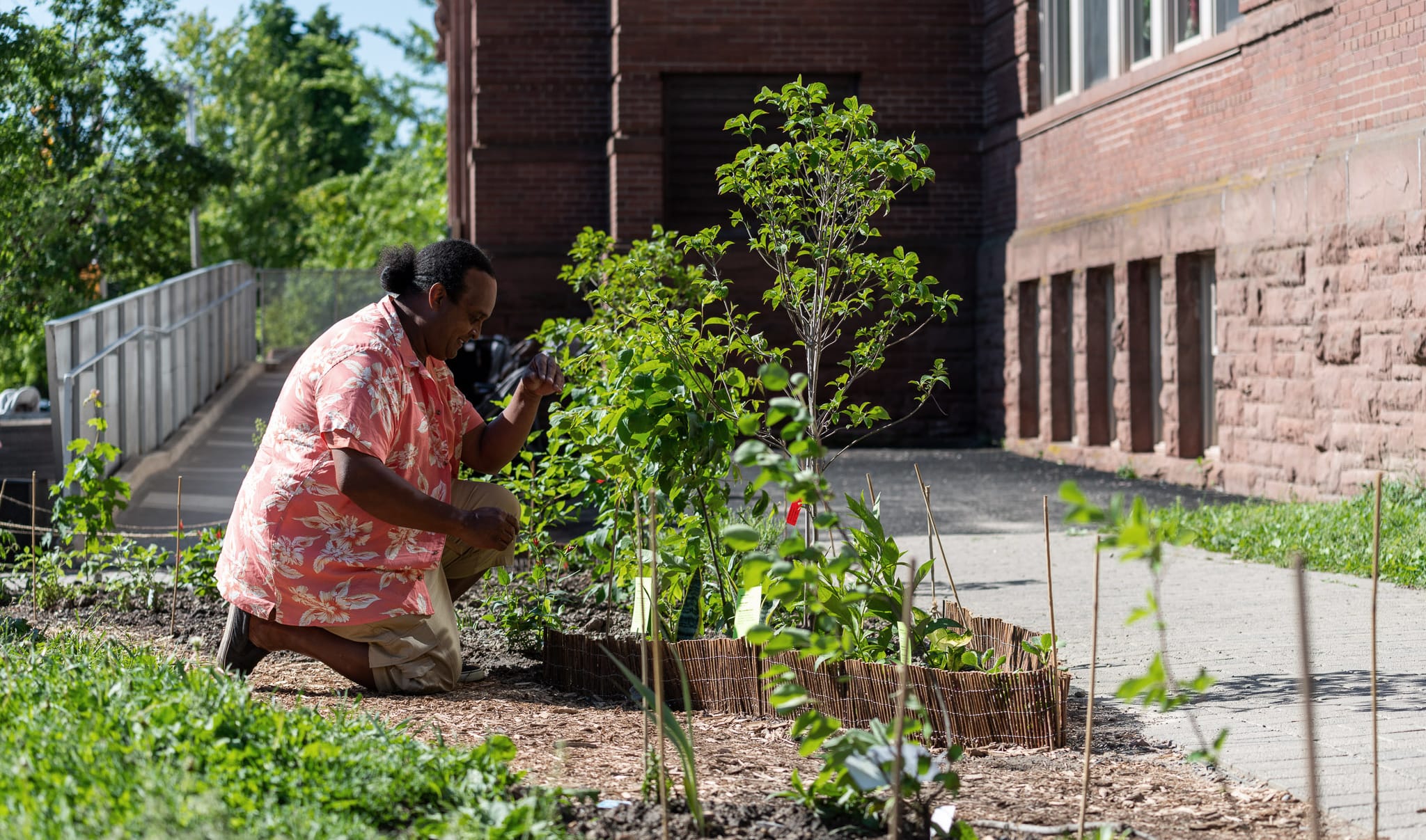
Though the original names of many native plants in Canada were lost to colonialism, with the garden he has designed in dialogue with the exhibition Botannica Tirannica, Isaac Crosby aims to show the resilience of both Indigenous knowledge and the plants themselves.
Fresh off of winning a Governor General’s Award in Visual and Media Arts, Barbara Astman looks back at the materials and methods behind her two works included in Koffler Arts' recent group show DECADE.
Sometimes, it's worth taking a moment to look forward, at all the good things in our future. A selection of picks for the art worth looking forward to in 2024.
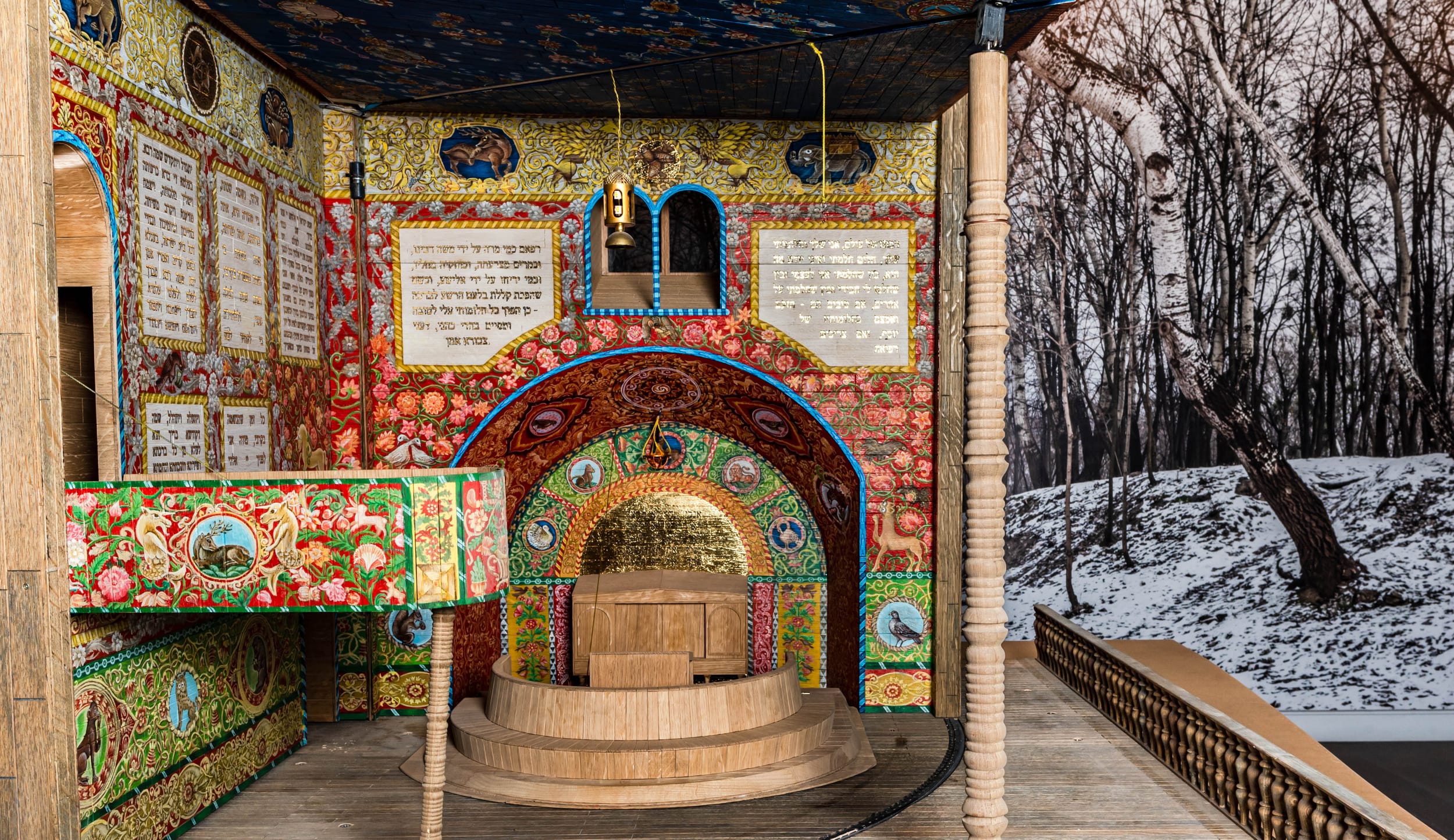
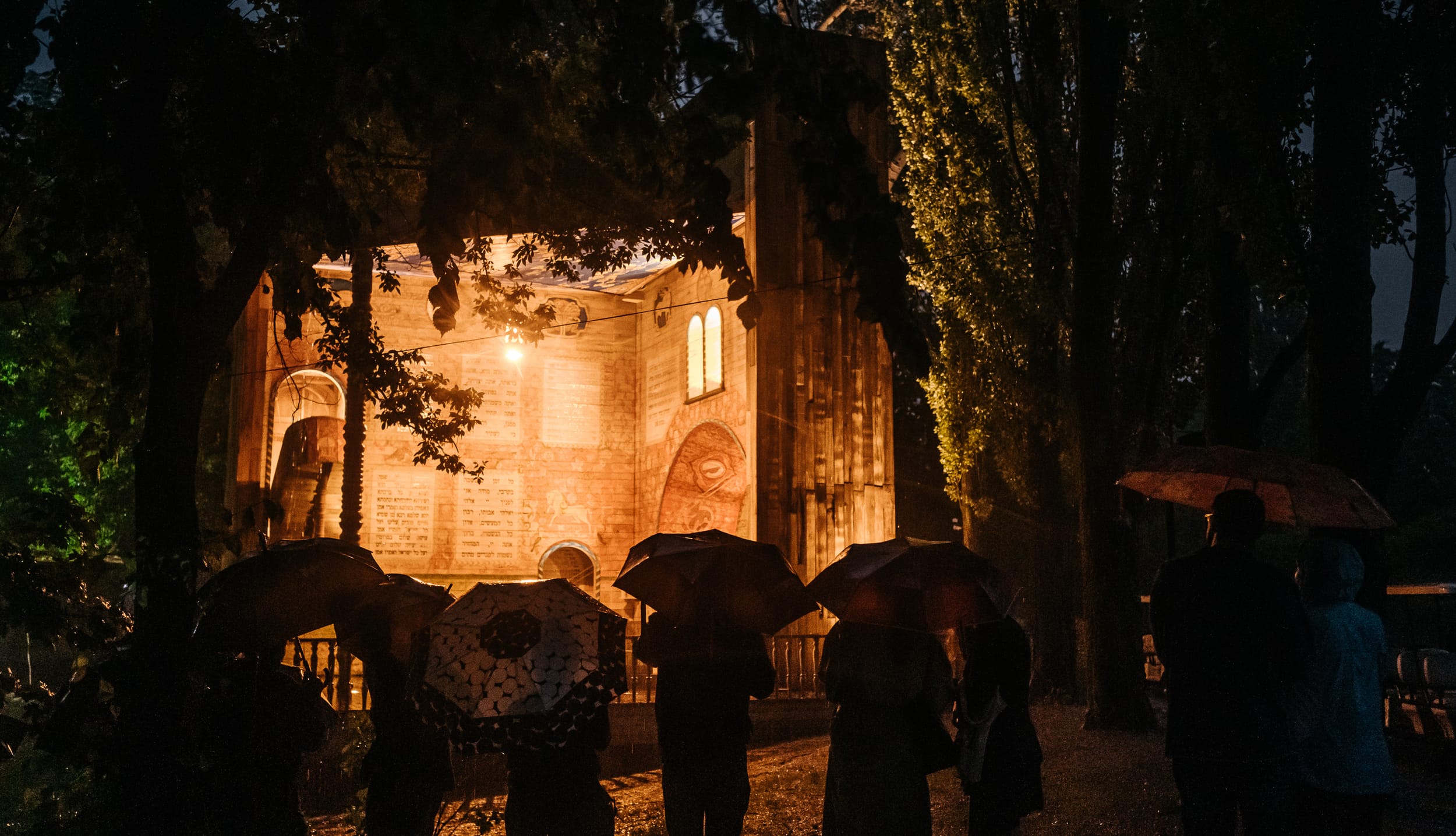
“The Synagogue at Babyn Yar: Turning the Nightmare of Evil into a Shared Dream of Good” is as much an exhibition about how to memorialize a traumatic, genocidal event as it is about the synagogue itself. To mark the end of its run at Koffler, we look back at how this unique show came together.
Commentary from the concluding panel discussion at the half-day symposium “Babyn Yar, the Holocaust and Beyond: Architectures of Memory”, organized by Koffler Arts.
Authors Gary Barwin and Cary Fagan discuss the quest as narrative device in their work, and how journey stories can help children—and even writers—navigate difficult or traumatic subject matter.
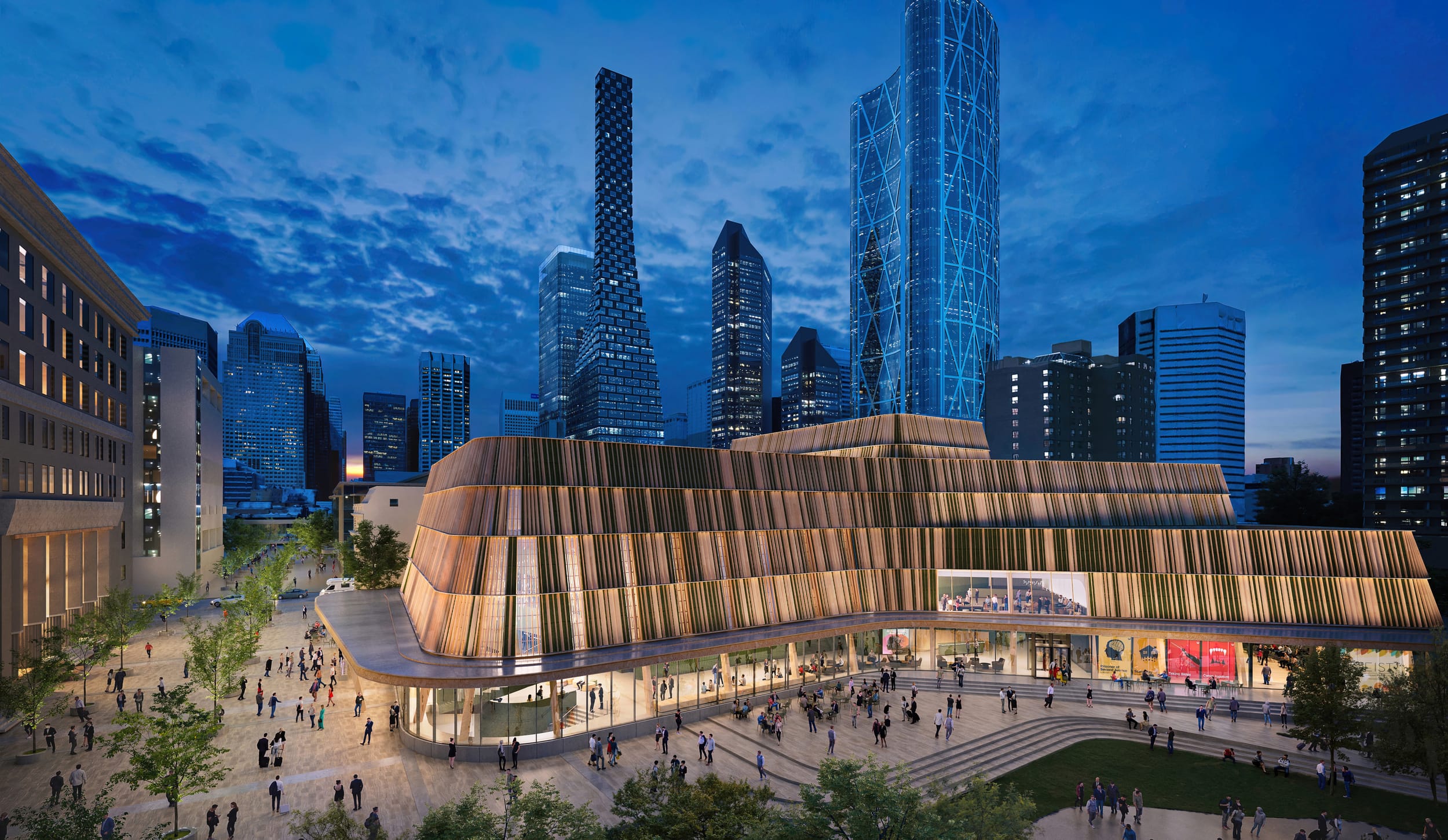
This month in Arcade, we continue our exploration of themes rooted in the Koffler Gallery's current exhibition devoted to Manuel Herz's new synagogue at Babyn Yar.
In a wide ranging on-stage conversation, the novelist Heti and Sol the poet discuss the role of religion in their work, how the loss of a parent can upend one's universe, and less reverent ways of naming God.